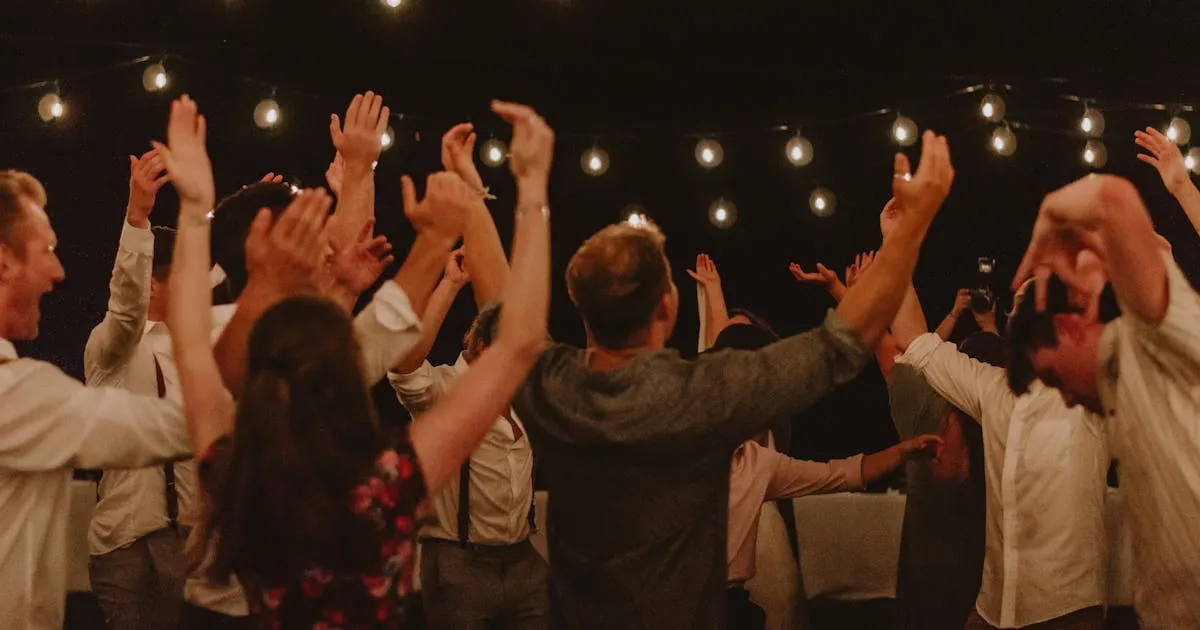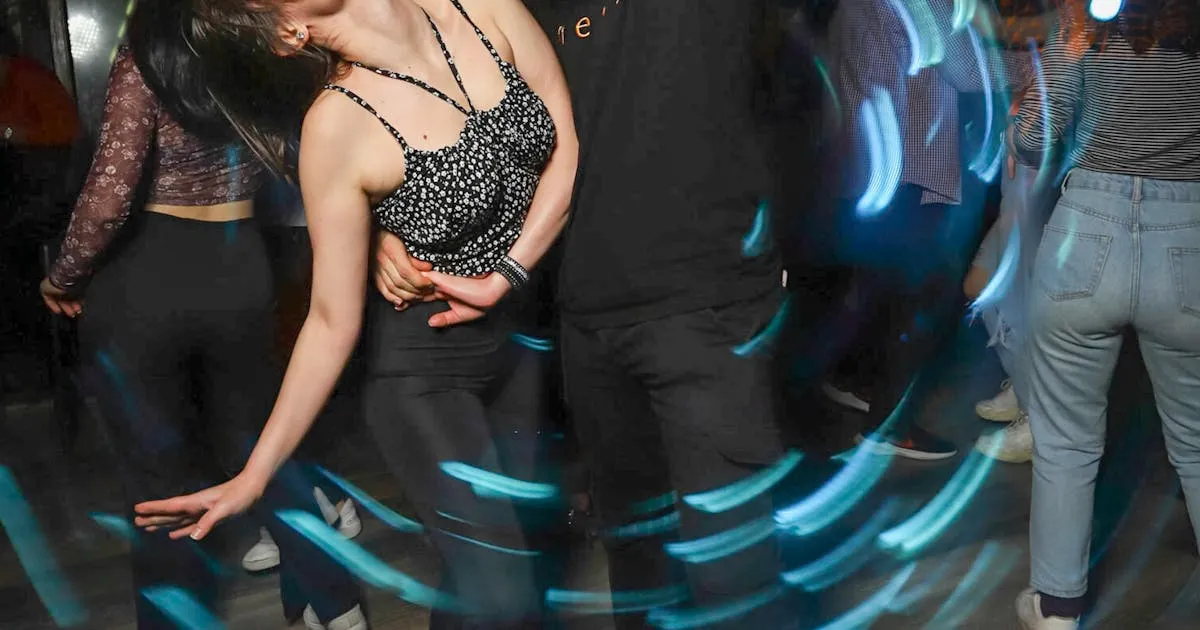
Kizomba is one of the most beautiful social dances in the world. It is also one of the most intimidating for beginners. The close embrace, the unfamiliar music, the quiet intensity of the dance floor — it can all feel like a lot when you have never done it before. This guide is here to change that. Whether you have zero dance experience or you are coming from salsa or bachata, this is everything you need to know before your first Kizomba social.
What Is Kizomba?
Kizomba originated in Angola in the 1980s, born from a blend of Angolan semba and Caribbean zouk rhythms. The word “kizomba” comes from Kimbundu, a Bantu language, and roughly translates to “party.” But the dance itself is anything but chaotic. It is a partner dance built on connection, not flashy moves. The tempo is slower than salsa or bachata, and the music guides everything — if you can feel the beat, you can dance Kizomba.
There are three main styles you will encounter. Traditional Kizomba stays close to the Angolan roots with circular movements and a grounded feel. Urban Kiz is a more modern, linear style that has become hugely popular in Europe. Tarraxinha is a slower, more isolated style focused on body movement and rhythm.
One thing worth addressing directly: Kizomba is not inherently sexual. The close connection can look intimate from the outside, but what you are actually seeing is musicality and trust between two dancers. It is no different from a close embrace in Argentine tango. Once you experience it, this distinction becomes obvious.
The Music
Kizomba music is slow, groovy, and deeply rhythmic. It sounds nothing like salsa or bachata — there are no trumpets, no fast percussion. Instead, you get smooth electronic beats layered with soulful vocals in Portuguese or Creole. It has a warmth to it that pulls you in.
Before your first night, spend some time listening. Look up artists like Nelson Freitas, Djodje, C4 Pedro, and Elji Beatzkilla on Spotify or YouTube. Search for a “Kizomba social” playlist and let it play in the background. You do not need to analyze the music — just let your body absorb the rhythm. When you hear it at the social, it will already feel familiar, and that familiarity will calm your nerves more than anything else.
What Happens at a Kizomba Social
Most Kizomba events follow a predictable format. There is usually a beginner class from around 8 to 9 pm, followed by open social dancing from 9 pm until midnight or later. Go to the beginner class. This is your safety net. You will learn the basic step, practice with other beginners, and walk into the social with at least one move you feel confident about.
During the social, the DJ typically rotates between Kizomba, bachata, and sometimes salsa tracks. This is good news — if a Kizomba song comes on and you are not ready, you can sit it out and wait for something more familiar. Nobody expects you to dance every song.
The room will be a mix of experienced dancers and complete beginners. Most people come alone. You do not need a partner. Each song lasts about four minutes. When it ends, you thank your partner and move on — there is no expectation to dance multiple songs with the same person unless you both want to.
It is also completely normal to sit out and watch. In fact, observing experienced dancers is one of the best ways to learn. Pay attention to how little they move. That simplicity is what you are aiming for.
How to Dance Kizomba (The Absolute Basics)
Here is the good news: the Kizomba basic step is simple. Slow, slow, side. Two slow steps forward or backward, then a step to the side. That is genuinely all you need for your first night.
The lead initiates the direction and the follow mirrors the movement. Connection happens through the chest — a gentle, chest-to-chest contact that allows both dancers to feel each other’s movement. This is the part that makes beginners nervous, and that is completely understandable. But once you are in the embrace and the music starts, it feels natural. The connection is what makes the dance work.
The most important principle in Kizomba: less is more. Small steps. Stay grounded. Listen to the music. You do not need to know patterns or fancy moves. A good connection with the basic step is far more enjoyable — for both dancers — than forced, shaky patterns learned from a YouTube video twenty minutes earlier. Trust the simplicity.
What to Wear
Shoes matter. You need something with a smooth sole that lets you glide on the floor. Rubber-soled sneakers will grip the floor and make every step feel like you are stuck in mud. For followers, low heels or flats with a leather or suede sole work well. For leads, any clean shoe with a smooth bottom will do. If you are not sure what to look for, our guide to the best salsa dancing shoes covers sole types and recommendations that apply to Kizomba as well.
Wear clothes that are comfortable but fitted. Baggy shirts and loose fabric make the chest-to-chest connection harder because your partner cannot feel your movement clearly. You do not need to dress up — smart casual is the standard at most socials.
Hygiene is non-negotiable in Kizomba. The close embrace means your partner is right there. Brush your teeth, use deodorant, bring breath mints, and consider packing a spare shirt if you tend to sweat. This is the single most appreciated thing you can do as a social dancer.
Kizomba Social Etiquette
Asking someone to dance: A smile, eye contact, and an extended hand. That is all it takes. Anyone can ask anyone, regardless of gender or experience level.
Saying no: Completely acceptable, every time, no explanation needed. A simple “not right now, thanks” is enough. Do not take it personally when someone declines — it is rarely about you.
During the dance: Maintain appropriate boundaries. If something feels uncomfortable, you can adjust the embrace or simply say so. Good dancers welcome this communication.
After the dance: Say thank you. Mean it. A genuine “thank you, that was lovely” goes a long way.
The golden rule: Do not teach on the dance floor. This is the biggest faux pas in social dancing. Even if your partner makes mistakes, the social floor is not the place to correct them. Save it for class.
Where to Find Kizomba Events
Browse Kizomba events worldwide on our platform. We track weekly socials and classes across hundreds of cities so you can find what is happening near you.
Beyond our site, Facebook groups are still the best place to discover local Kizomba scenes — search “Kizomba” followed by your city name. Instagram is another great resource: follow local dance schools and Kizomba instructors to stay updated on events and workshops. If you are traveling, our guide on how to find social dance events while traveling has practical tips for finding Kizomba nights in unfamiliar cities.
Many Kizomba events happen alongside bachata and salsa socials, so even if you do not see a dedicated Kizomba night, check Latin dance events in your area — there is a good chance Kizomba will be part of the rotation. In Europe, many of the best cities for salsa also have thriving Kizomba scenes, especially Lisbon, Paris, and London. In the UK, you will find Kizomba at many Latin nights — our guide to where to dance Bachata in the UK covers venues that regularly play Kizomba too. Even in Latin America’s top Bachata cities, Kizomba is growing steadily. If you are also curious about Bachata, read our guide to Bachata dancing.
For a deeper experience, Kizomba congresses and festivals bring together dancers from around the world for a weekend of workshops and social dancing. Check our festival calendar for upcoming events. You can also use our interactive map to find events near you at a glance.
Your First Night
Your first Kizomba social will feel awkward. You will second-guess your steps. You will wonder if you are holding your partner correctly. You might sit out more songs than you dance. All of this is completely normal. Every single person on that dance floor started exactly where you are right now.
Here is what to do: show up, take the beginner class, dance the basic step, and let the music do the rest. Do not worry about looking good. Worry about feeling the rhythm and enjoying the connection. Kizomba rewards patience and presence, not perfection.
The Kizomba community is known for being warm and welcoming, especially to newcomers. People will ask you to dance. They will smile when you tell them it is your first time. They remember their own first night, and they want yours to be a good one.
Go. Dance. You will be hooked.
Frequently Asked Questions
Is Kizomba hard to learn?
Not at all. Kizomba is one of the most accessible social dances for complete beginners. The basic step is simple — slow, slow, side — and the tempo is slower than salsa or bachata, which gives you more time to feel the music. If you can walk, you can learn Kizomba.
What is the difference between Kizomba and Bachata?
Kizomba and Bachata are both partner dances with a close connection, but they feel very different. Bachata has a faster, more rhythmic feel with a distinctive side-to-side step pattern and hip movement. Kizomba is slower, more grounded, and built on a walking-based step with chest-to-chest connection. The music is completely different too — Bachata uses guitar-driven Latin rhythms, while Kizomba features smooth, electronic Afro-Portuguese beats.
Do I need a partner to attend a Kizomba social?
No. Most people come to Kizomba socials alone. It is standard practice to ask different people to dance throughout the night, and rotating partners is part of the culture. The beginner class before the social is a great place to meet other dancers, and experienced regulars will often ask newcomers to dance.
What shoes should I wear for Kizomba?
You want shoes with a smooth sole — leather or suede is ideal. Avoid rubber-soled sneakers or shoes with heavy tread, as they grip the floor and make it difficult to glide. Followers typically wear low heels or flats, and leads do well with any clean shoe that has a smooth bottom. Our guide to the best salsa dancing shoes has detailed recommendations on sole types that work well for Kizomba too.
Is Kizomba the same as Zouk?
No, but they are related. Kizomba originated in Angola and was influenced by Caribbean zouk music, which is why the two are sometimes confused. Brazilian Zouk is a separate dance with its own techniques — it features more head movement, body waves, and flowing upper-body styling. Kizomba is more grounded and compact by comparison. Many events play both Kizomba and Zouk tracks, and some dancers learn both, but they are distinct dances with different foundations.