Cuban Salsa (Casino): The Original Street Dance
Cuban Salsa — known on the island simply as Casino — is the closest living descendant of the social dances that emerged in Havana's dance halls during the 1950s. While the term "salsa" was popularized in New York, the movement vocabulary that most of the world now associates with salsa dancing traces its DNA directly back to Cuba's casinos deportivos, the social clubs where Casino took shape.
Origins and History
Casino crystallized in the late 1950s when Cuban dancers blended Son, Cha-cha-chá, and Mambo with partner-dance techniques borrowed from American swing and jazz. The name itself comes from the Casino Deportivo de La Habana, one of the premier social clubs where the style was refined. After the Cuban Revolution in 1959, Casino continued to evolve on the island largely in isolation, developing its own identity separate from the salsa scenes emerging in New York and later Los Angeles. The result is a style that feels unmistakably Afro-Caribbean — grounded, rhythmic, and deeply communal.
Key Characteristics and Movement Style
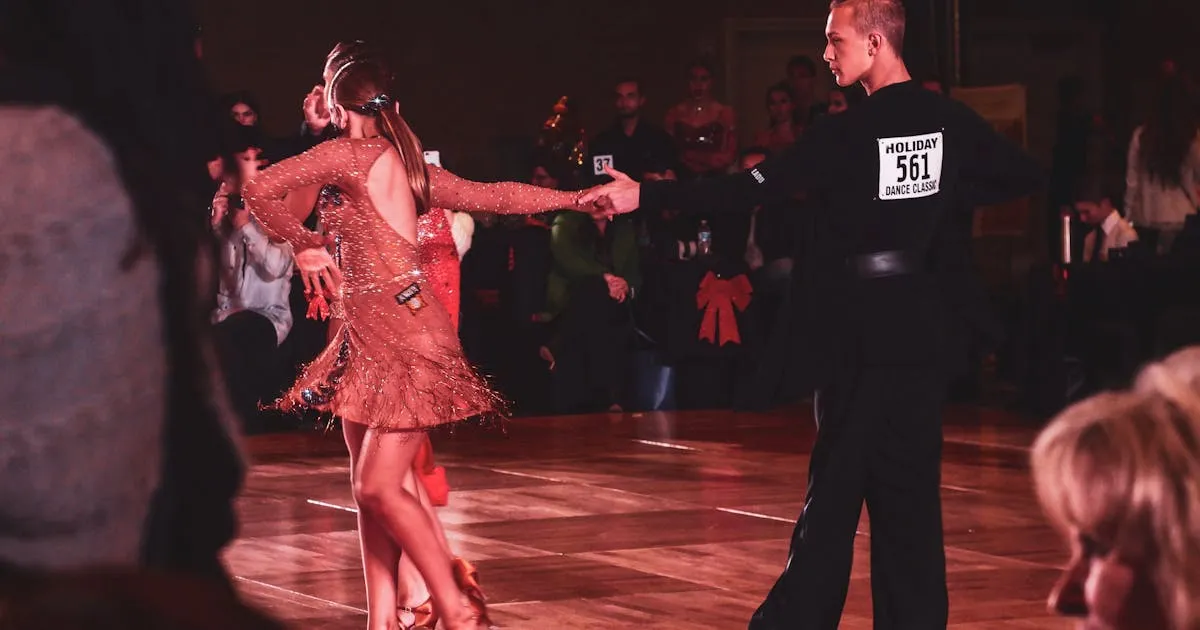
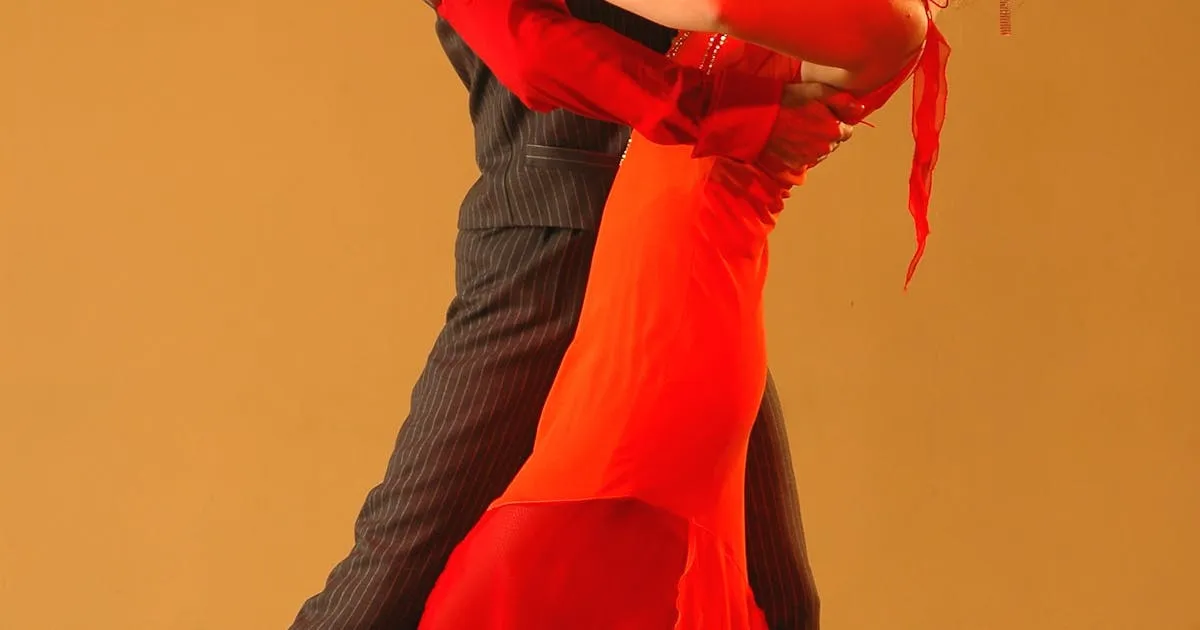
The single most distinguishing feature of Cuban Salsa is its circular movement. Where LA and NY styles travel along a straight line (the "slot"), Casino partners orbit around each other in arcs and circles, constantly shifting the center of gravity between them. The lead uses body movement and arm tension more than rigid frame, giving the dance a relaxed, conversational quality. Footwork stays close to the floor with a subtle bounce in the knees, and there is a strong emphasis on sabor — flavor — expressed through shoulder isolation, hip movement, and playful improvisation called despelote.
Cuban Salsa also has a unique group formation called Rueda de Casino, where multiple couples dance in a circle and execute synchronized moves called by a leader. Rueda turns social dancing into a collective experience and remains one of the most joyful spectacles on any dance floor.
Music and Rhythm
Casino is danced primarily on the downbeat — "On1" in technical terms — though the relationship to the music is less about counting beats and more about feeling the tumba (the rhythmic pulse driven by congas and timbales). Dancers respond to Timba, Cuba's high-energy evolution of salsa music, as well as classic Son Cubano and traditional salsa dura. Timba in particular demands fast footwork, sudden breaks, and dynamic changes that reward experienced dancers with an intensely musical experience.
Where It's Most Popular
Casino is the dominant social dance style across Cuba, and it has massive followings in Spain, France, the UK, Germany, and much of Latin America. In many European cities, Casino nights and Rueda de Casino classes outnumber other salsa styles. It is also the style of choice across much of West Africa, where Cuban cultural ties run deep.
How It Differs from LA and NY Style
If LA Style is a performance and NY Style is a conversation, Cuban Salsa is a street party. The circular movement means there is no fixed "audience side," making it inherently social rather than performative. The connection between partners is softer and more elastic compared to the firm frame of cross-body styles. Casino dancers tend to prioritize musicality and body movement over complex turn patterns, and the improvisational nature of the dance means no two songs ever feel the same. For dancers coming from linear styles, the biggest adjustment is learning to think in circles — and letting go of the slot entirely.