LA Style Salsa (On1): The Show-Stopper
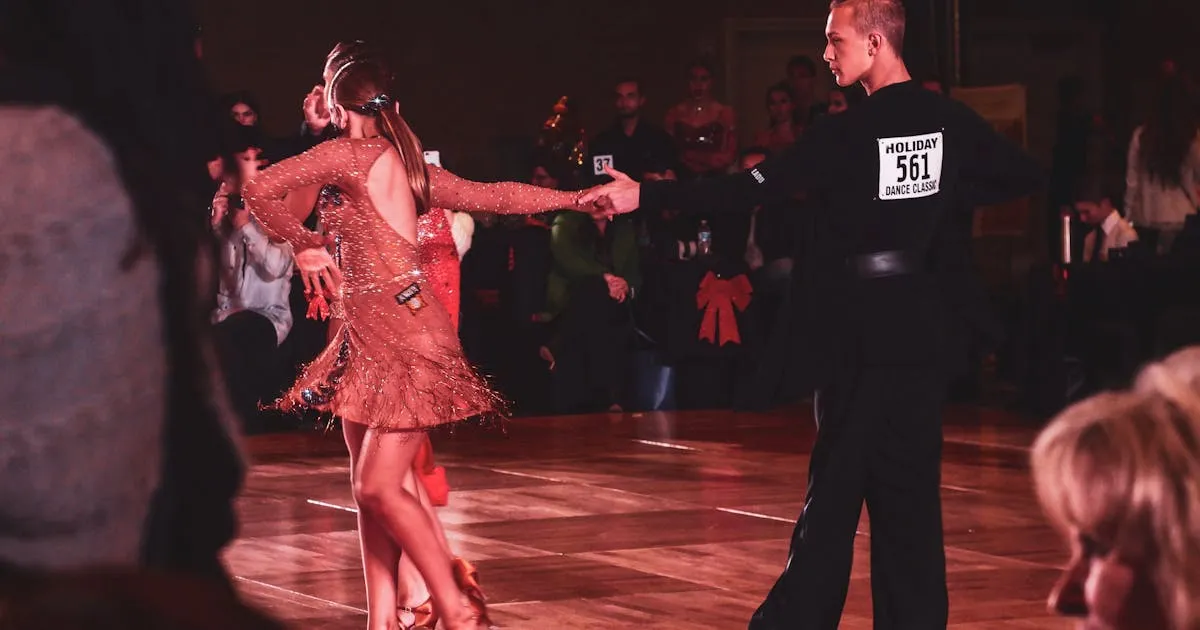
LA Style Salsa is the blockbuster of the salsa world — big, bold, and unapologetically flashy. Developed in Los Angeles during the 1990s, it took the foundational cross-body lead of Mambo and supercharged it with acrobatic tricks, dramatic dips, and high-speed turn patterns designed to electrify audiences. Today it is arguably the most widely taught salsa style on the planet, and the dominant force in international salsa competition circuits.
Origins and History
LA Style emerged from the Mexican-American dance communities of Los Angeles in the late 1980s and early 1990s. Pioneers like the Vazquez brothers (Luis, Johnny, and Francisco) and later Albert Torres and Alex Da Silva took the Mambo and cross-body lead framework that had been developing since the 1960s and fused it with influences from Latin Hustle, jazz, ballroom, and even hip-hop. The result was a linear partner dance built for the stage. The founding of the LA Salsa Congress in the late 1990s gave the style a global platform, and by the early 2000s, LA Style had become the default curriculum at salsa schools from Tokyo to Toronto.
Key Characteristics and Movement Style
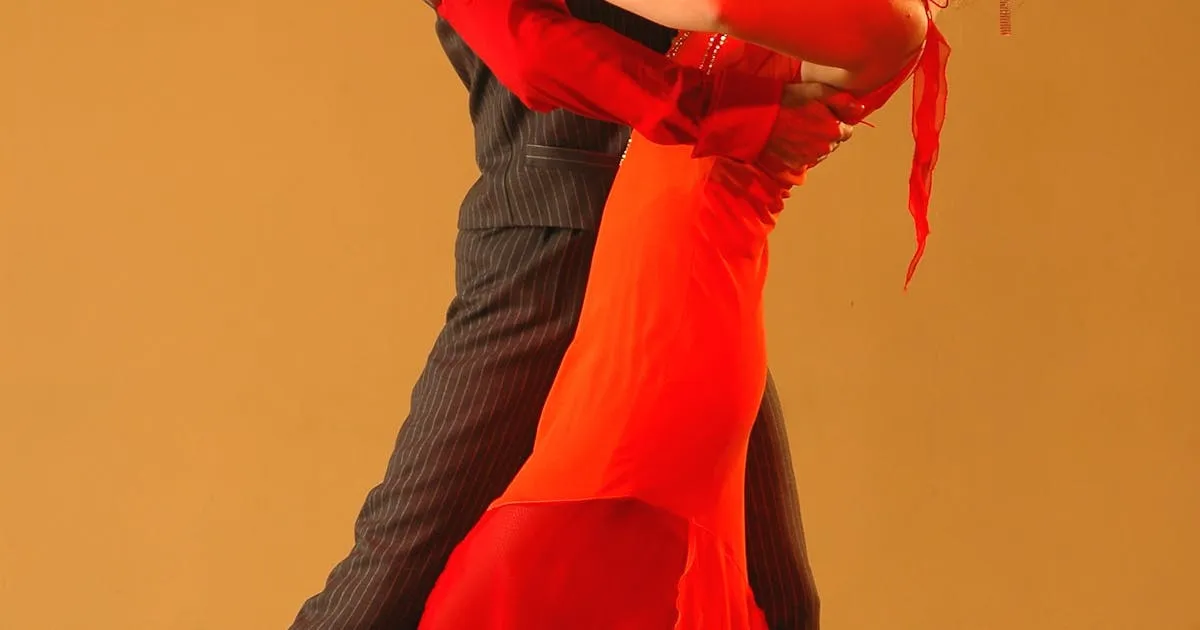
LA Style is danced in a linear slot — partners travel back and forth along an imaginary straight line, trading places through cross-body leads. The frame is firm and upright, with clear lead-follow signals transmitted through the arms and hands. What sets LA Style apart visually is its emphasis on performance elements: intricate multi-spin combinations, dramatic lifts and dips, synchronized partner styling, and explosive musicality hits where dancers freeze or accent on a powerful beat in the music.
The footwork tends to be clean and precise, often borrowing from ballroom technique, and there is a strong emphasis on visual presentation. Dancers are encouraged to maintain good posture, extend their lines, and project energy outward — qualities that make LA Style particularly compelling to watch but also rewarding to dance socially once the fundamentals are solid.
Music and Rhythm
LA Style is danced "On1," meaning the dancer breaks forward (or back) on beat 1 of the musical phrase. This gives the dance a driving, forward-momentum feeling that aligns naturally with the downbeat emphasis in much of modern salsa and salsa romántica. The style pairs well with a wide range of salsa music — from classic salsa dura by Héctor Lavoe and Willie Colón to contemporary tracks by Marc Anthony and Victor Manuelle. The On1 timing is generally considered the most intuitive entry point for beginners, which has contributed to the style's global popularity.
Where It's Most Popular
LA Style dominates the salsa scene in North America, Australia, and large parts of Asia — particularly Japan, South Korea, and India. It has a strong presence across Western Europe as well, often sharing dance floors with Cuban and NY styles. Most international salsa congresses and competitions feature LA Style as their primary or default division.
How It Differs from Cuban and NY Style
Compared to Cuban Salsa, LA Style trades circular fluidity for linear precision. The slot creates a natural "stage" that makes the dance visually readable, which is why it dominates competition circuits. Compared to NY Style, the difference is more subtle but significant: LA breaks on beat 1 rather than beat 2, which gives it a more explosive, attack-the-music energy versus NY Style's smoother, more syncopated feel. LA Style also tends to favor spectacle — bigger tricks, faster spins, more dramatic pauses — while NY Style leans into subtlety and connection. For social dancers, LA Style offers a satisfying framework of reliable patterns that work on any dance floor, making it an excellent foundation style.