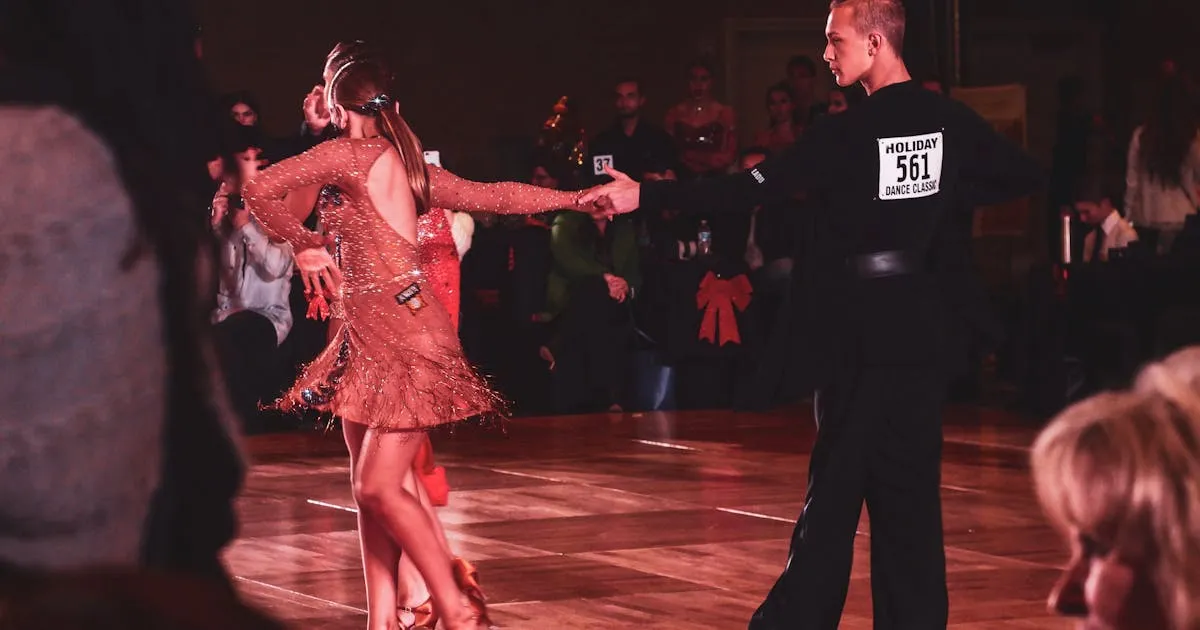
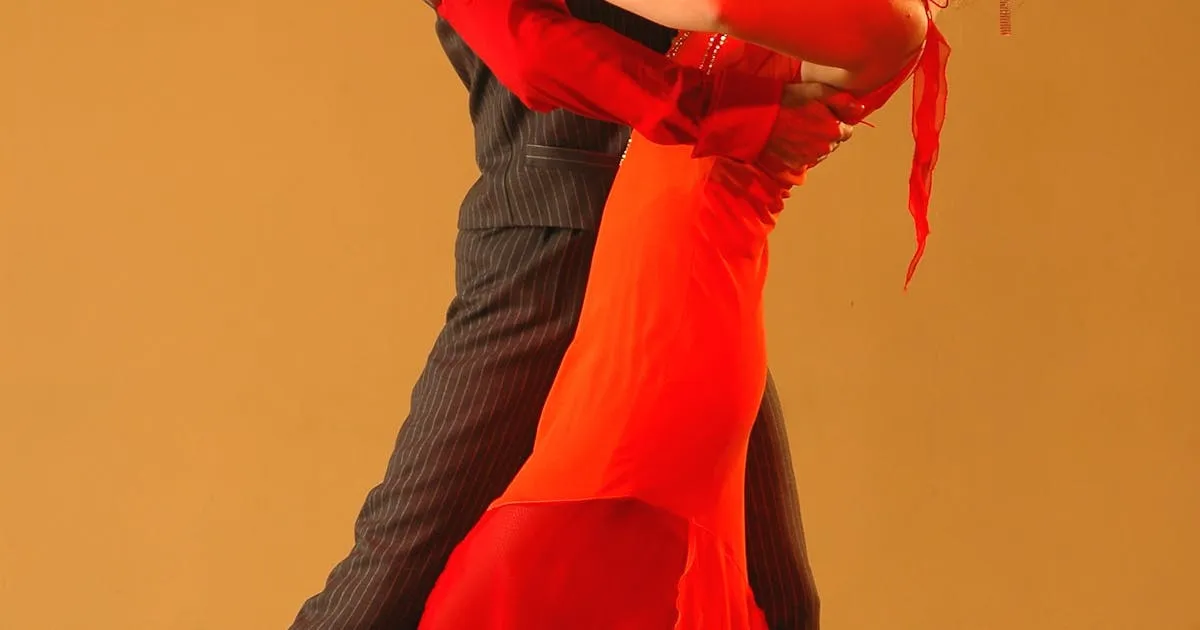
NY Style Salsa (On2/Mambo): The Dancer's Dance
NY Style Salsa — often called Mambo On2 or simply "dancing On2" — is widely regarded as the most musically sophisticated of the three major salsa styles. Born in the culturally rich melting pot of New York City, it carries the DNA of Afro-Cuban Mambo, Puerto Rican tradition, and the jazz sensibility of a city that has always prized innovation. Among experienced social dancers, On2 is frequently described as the style that makes you listen differently.
Origins and History
The roots of NY Style trace back to the Palladium Ballroom era of the 1950s, where legendary dancers like "Killer Joe" Piro and Augie and Margo Rodriguez elevated Mambo into a refined partner dance. When salsa exploded in the 1970s — fueled by Fania All-Stars and the Puerto Rican and Cuban communities of the Bronx, Harlem, and Spanish Harlem — the On2 timing that had always been central to Mambo was preserved and codified. Eddie Torres, often called "The Mambo King," is widely credited with formalizing the modern NY Style syllabus in the 1980s and 1990s, creating a structured technique that could be taught and transmitted globally. His students and disciples — including Frankie Martinez, Seaon Stylist, and Talia Castro-Pozo — carried the style worldwide.
Key Characteristics and Movement Style
Like LA Style, NY Style is danced in a linear slot with cross-body leads as the primary structural element. The critical difference lies in the timing: NY Style breaks on beat 2 (the lead steps back on 2, forward on 6), which shifts the entire feel of the dance. Breaking on 2 places the dancer's weight changes in alignment with the conga drum pattern — specifically the tumbao — creating a sensation of dancing inside the rhythm rather than on top of it.
The movement quality is smooth, controlled, and elegant. Where LA Style often attacks the beat with explosive energy, NY Style flows through it. There is a notable emphasis on body isolation, particularly in the torso and hips, and on Afro-Cuban body movement (sometimes called "body work" or shines). Shines — solo footwork sequences performed while partners separate — are a hallmark of NY Style and function as a form of improvised self-expression, often drawing from Afro-Cuban folkloric dance, jazz, and tap.
Music and Rhythm
NY Style's On2 timing creates a distinctly syncopated relationship with the music. Dancers feel the clave (the foundational 5-beat rhythmic pattern of salsa) more directly, and musical accents land differently in the body compared to On1 dancing. This makes NY Style particularly rewarding with complex, percussion-heavy salsa — classic Fania recordings, Eddie Palmieri, Spanish Harlem Orchestra, and Timba all reveal new layers when danced On2. Many On2 dancers describe the experience as feeling "pulled by the music" rather than "pushing through it," a subtle but meaningful distinction.
Where It's Most Popular
NY Style's spiritual home is, of course, New York City, where On2 social dancing thrives at legendary venues and weekly socials. It has strong followings in New Jersey, Miami, and the US East Coast generally. Internationally, it is popular in Italy, Japan, and parts of the UK and Germany, often coexisting alongside LA and Cuban styles. Major On2 events like the New York International Salsa Congress serve as annual pilgrimages for dedicated Mambo dancers worldwide.
How It Differs from Cuban and LA Style
The most obvious difference is the timing — On2 versus On1 — but the implications go deeper than a shifted count. Dancing On2 changes the texture of the connection between partners. The slightly delayed break creates more tension and release in the lead-follow dynamic, lending the dance a smooth, rolling quality. Compared to Cuban Salsa, NY Style shares the linear slot with LA but offers a more internalized, less visually explosive aesthetic. The emphasis is on musicality, connection, and individual expression through shines rather than crowd-pleasing tricks. Many dancers who try all three styles eventually gravitate to On2 because of the deeper relationship it fosters with the music — though it typically has the steepest learning curve. NY Style rewards patience, and its pleasures reveal themselves over years rather than weeks.