Kizomba is a partner dance built on connection, not choreography. Born in Angola and rooted in slow, rhythmic music with Portuguese and Creole vocals, it is one of the most intimate and expressive social dances in the world. Whether you have never set foot on a dance floor or you are coming from salsa or bachata, this guide covers everything you need to know.
Table of Contents
- Origins of Kizomba
- The Music
- How Kizomba Is Danced
- Styles of Kizomba
- Where to Dance Kizomba
- Kizomba Festivals
- What to Wear
- Getting Started
- Frequently Asked Questions
- Find Kizomba Events
Origins of Kizomba
Kizomba was born in Luanda, Angola, in the late 1970s and early 1980s. It grew out of semba — a traditional Angolan partner dance that is faster, more playful, and deeply rooted in Angolan culture. When Caribbean zouk music arrived in Angola through radio and imported records, local musicians blended zouk rhythms with Angolan sounds. Dancers adapted too. The result was a slower, more intimate dance that kept the chest-to-chest connection of semba but matched the smoother groove of the new music.
The word “kizomba” comes from Kimbundu, a Bantu language spoken widely in Angola, and translates roughly to “party.” But the dance itself is anything but chaotic. Where semba is energetic and improvisational, Kizomba is measured and deliberate. It prizes subtlety over spectacle, connection over complexity.
For decades, Kizomba remained within Angola and other Portuguese-speaking African countries — Mozambique, Cape Verde, Guinea-Bissau, Sao Tome. The shift to global recognition began in the 1990s, when the Angolan diaspora brought Kizomba to Portugal. Lisbon became the European epicenter, and Portuguese dance schools started teaching it alongside salsa and bachata.
The true global explosion came in the 2010s. YouTube videos of Kizomba dancing went viral, captivating audiences who had never seen the dance before. International festivals began adding Kizomba to their lineups. Dedicated Kizomba congresses emerged across Europe, then spread to Asia, Latin America, and North America. What had been an Angolan social tradition became a worldwide movement in less than a decade.
The Music
Kizomba music is slow — typically between 80 and 110 BPM — with a steady, hypnotic electronic beat layered over acoustic guitar, percussion, and soulful vocals in Portuguese or Cape Verdean Creole. If salsa hits you with energy and bachata pulls at your heartstrings, Kizomba wraps around you like a late-night conversation.
The genre blends several traditions. Semba provides the Angolan melodic foundation. Caribbean zouk contributes the smooth, flowing feel. R&B and electronic production give modern Kizomba its polished edge.
Key artists to explore: Nelson Freitas blends Kizomba with R&B and pop. Mika Mendes delivers smooth, romantic social floor staples. C4 Pedro brings high-energy Angolan flavor. Yola Araujo is one of Angola’s most celebrated female vocalists. Elji Beatzkilla pushes genre boundaries with electronic, bass-heavy production.
Two sub-genres are worth knowing. GhettoZouk (also called Cabo Zouk) leans more electronic, with heavier production and R&B-influenced vocals, originating from Cape Verdean artists. Tarraxinha strips things down to heavy bass, minimalist beats, and almost no melody — darker, slower, and built for intense body isolations. Tarraxinha tracks are unmistakable: the bass drops, the room gets quiet, and the dancing gets very close.
How to recognize Kizomba: if you hear a slow, steady beat with Portuguese vocals and a smooth electronic groove — no trumpets, no fast percussion, no guitar-driven melody — you are almost certainly hearing Kizomba.
How Kizomba Is Danced
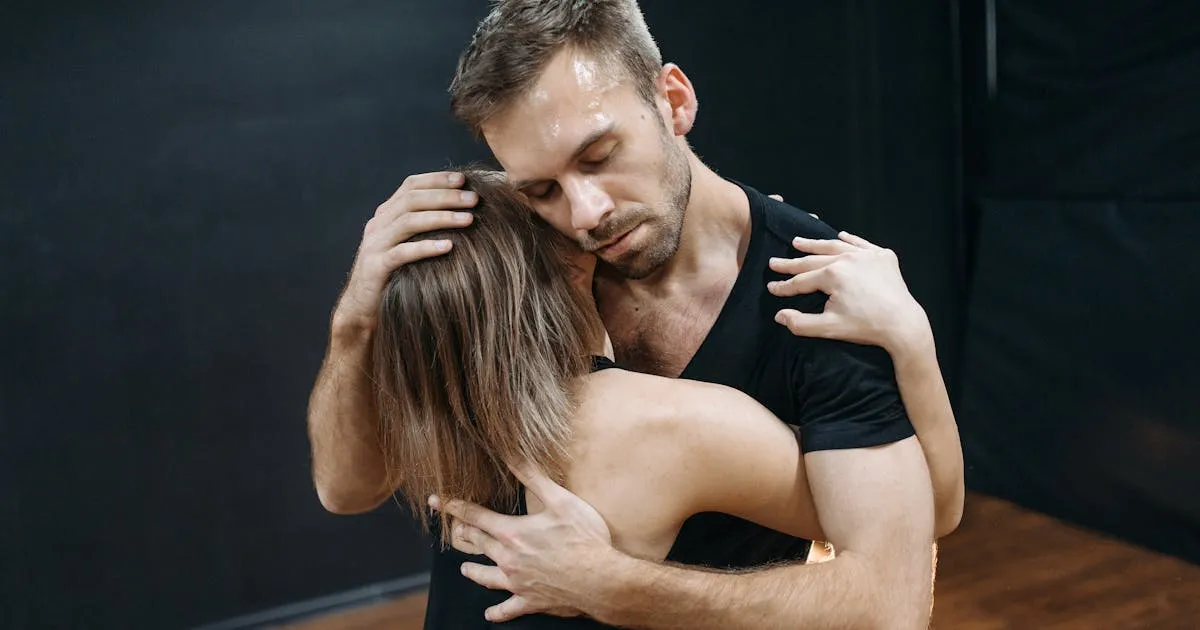
The first thing you will notice is the embrace. Kizomba has one of the closest holds in partner dancing. Both dancers connect chest to chest, with the lead’s right hand on the follower’s back and the follower’s left arm on the lead’s shoulder. Everything — direction, timing, weight shifts — is communicated through the torso. Arms are not used for steering.
This chest-to-chest lead is what makes Kizomba fundamentally different from salsa or bachata, where the lead communicates through the hands and frame. In Kizomba, if your chest moves forward, your partner feels it and responds. If you pause, they pause. It is a wordless conversation conducted through the body.
The basic step is deceptively simple: weight transfer on beats 1, 2, and 3, with a pause on beat 4. You are essentially walking — forward, backward, or to the side — in time with the music. No quick-quick-slow patterns, no syncopations. Just smooth, deliberate movement. The simplicity is the point. With fewer steps to think about, your attention goes to the music and your partner.
Musicality is central. Kizomba rewards pausing. Unlike salsa, where energy builds through speed and complexity, Kizomba builds through stillness and surprise. A well-timed pause — holding the connection while the music breathes — can be more powerful than any footwork pattern.
If you are coming from salsa or bachata, the adjustment can feel disorienting. There is no spinning. No complex turn patterns. Minimal footwork. It can feel like nothing is happening — until you settle into the embrace and realize that everything is happening. The connection, the music, the micro-movements. Many dancers describe Kizomba as meditative. Once you stop trying to do things and start trying to feel things, the dance opens up entirely.
Styles of Kizomba
Traditional Kizomba
Traditional Kizomba stays closest to the Angolan roots. The posture is slightly more upright, and movement has a rounder, more circular quality. Dancers incorporate elements from semba, including playful footwork patterns called “saidas” — exits or breaks that add punctuation and humor. The music tends to be more acoustic, and semba-influenced tracks with their faster tempo are part of the repertoire. If you visit Lisbon and dance at an Angolan or Cape Verdean night, you will experience this style in its most natural context.
Urban Kiz
Urban Kiz is a European evolution that developed primarily in Paris in the 2010s. It takes the close embrace and chest-led connection but moves it into a more linear framework. Leaders use more complex patterns — stops, direction changes, intricate footwork — influenced by hip-hop and contemporary dance.
Paris remains its spiritual home. Amsterdam, Berlin, and London all have strong Urban Kiz communities. The music is often more electronic and bass-heavy, with GhettoZouk and urban remixes common.
There is ongoing debate about whether Urban Kiz is a style of Kizomba or a separate dance. Purists say it has diverged too far from Angolan roots. Urban Kiz dancers counter that it preserves the core principles of connection while evolving the vocabulary. Regardless, both are danced at most Kizomba events.
Tarraxinha
Tarraxinha is the most minimalist and intimate sub-style. The feet barely move. The dance is built around body isolations — hip circles, chest movements, subtle weight shifts — in very close embrace to heavy bass music. If Traditional Kizomba is a conversation and Urban Kiz is a structured dialogue, Tarraxinha is a whisper.
It is not a style for beginners — the body control required takes time — but it is worth experiencing once you are comfortable with the basics. DJs typically drop a Tarraxinha set in the middle of a social, and the energy on the floor shifts immediately.
Where to Dance Kizomba
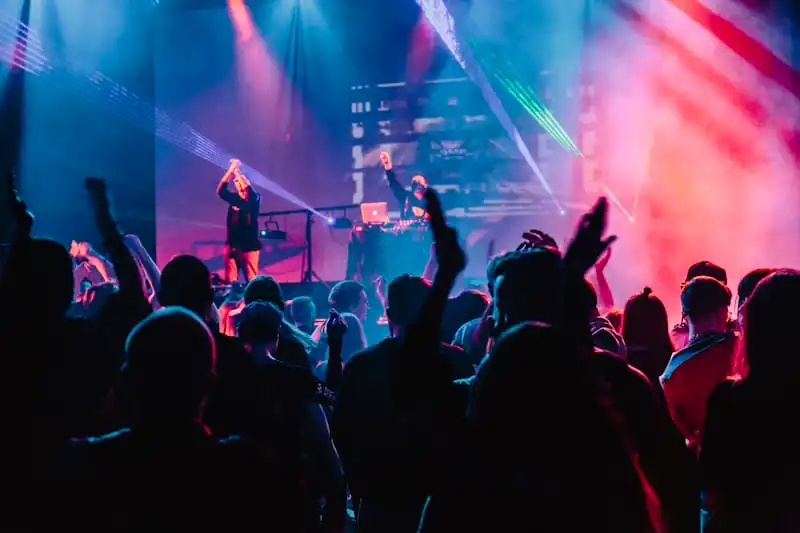
Kizomba socials happen worldwide, often combined with bachata and salsa nights. Some cities have dedicated Kizomba events, while others integrate it into broader Latin dance evenings.
The strongest European scenes center around cities with Portuguese and African diaspora connections. Lisbon is ground zero — the city where Kizomba first took root in Europe. Paris has one of the largest Kizomba communities in the world, driven by its Francophone African population. London offers everything from intimate studio nights to large monthly parties. Amsterdam, Berlin, and Madrid all have thriving scenes with regular socials and visiting international instructors.
Browse Kizomba events worldwide to find socials near you.
Kizomba Festivals
The Kizomba festival circuit has grown enormously. These multi-day events combine workshops with international instructors, social dancing until sunrise, and a community atmosphere that weekly socials cannot replicate.
Notable festivals: Tukina Lisboa in Lisbon is one of the most respected Kizomba and Semba festivals. Kizomba Festival London brings a strong lineup to one of Europe’s biggest dance cities. I Love Kizomba Festival in Amsterdam has a loyal following. Paris Kizomba Congress leverages the city’s massive scene. And KizombaInvasion Stuttgart is one of Germany’s premier Kizomba events.
Passes typically range from 80 to 180 euros. Most festivals offer social-only passes and run beginner workshop tracks alongside advanced classes. You do not need to be experienced to attend. Browse our full festival listings to find upcoming events.
What to Wear
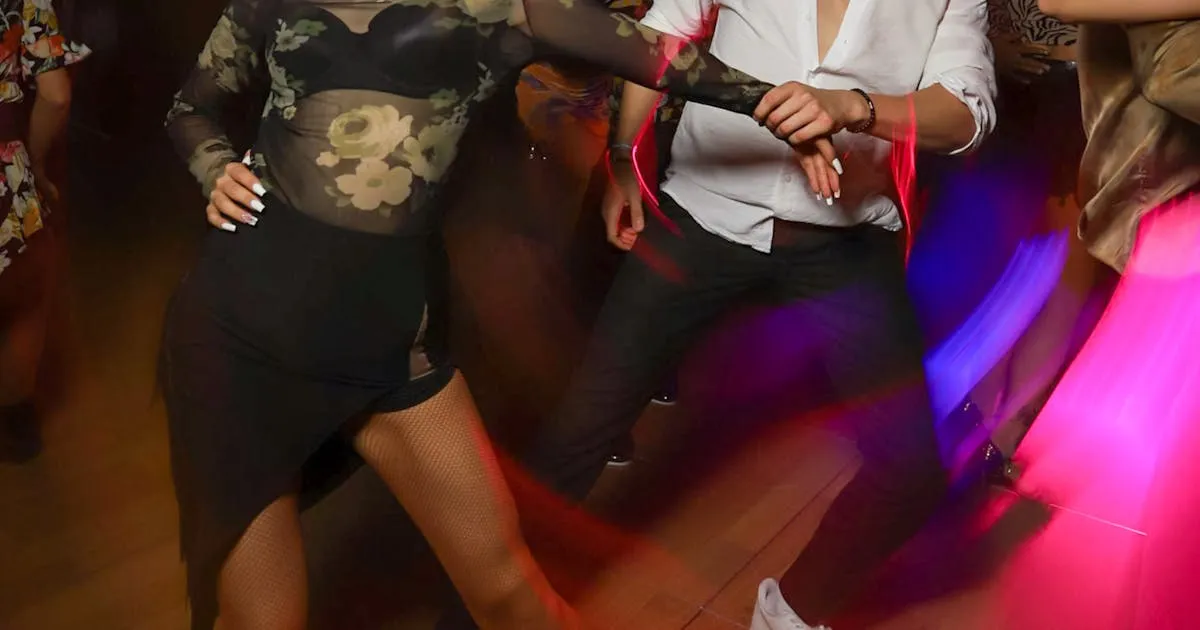
Kizomba’s chest-to-chest connection means clothing choices matter. Wear fitted, comfortable clothes that let your partner feel your movement through the embrace. Baggy shirts or heavily layered outfits create a barrier that makes leading and following harder.
Breathable fabrics are important — socials get warm, and the close embrace means hygiene is non-negotiable. Bring a spare shirt, use deodorant, and carry breath mints. Your dance partners will appreciate it more than any fancy footwork.
Shoes need a smooth sole that lets you glide. Rubber-soled sneakers grip the floor and destroy the flowing quality Kizomba requires. Low heels, flats, or dance sneakers with leather or suede soles all work. Our guide to the best salsa dancing shoes covers recommendations that apply equally to Kizomba.
Getting Started
The most important advice: take a class before your first social. Kizomba is not a dance you can learn from videos. The chest-to-chest connection and the subtlety of lead-follow need to be felt with a real partner. Most Kizomba socials include a beginner workshop before the dancing starts, usually from around 8 to 9 pm. This is the best entry point.
Be patient. Kizomba rewards subtlety, and subtlety takes time. Your first socials will feel awkward. You will overthink the embrace and worry about your footwork. That is normal. Every dancer in the room started exactly where you are.
Do not be afraid of the close hold. The embrace is functional, not romantic — it is how the dance communicates. Once the music starts and your partner responds to your movement, the nervousness fades.
Practical tips: keep your steps small. Listen to the music more than you think about your feet. A connected basic step is infinitely more enjoyable than a disconnected attempt at patterns. And dance with as many different partners as possible — each person teaches you something new about connection and musicality.
Frequently Asked Questions
Is Kizomba hard to learn?
The basic step is a slow walking pattern that most people pick up in their first class. What takes longer is developing the connection and chest-led communication. Unlike salsa, there is no complex footwork to memorize — the challenge is internal. Many dancers find Kizomba easier to start than salsa precisely because there are fewer steps. The depth comes later, and it keeps coming for years.
What is the difference between Kizomba and Zouk?
They are frequently confused because Kizomba was musically influenced by Caribbean zouk, but they are distinct dances. Kizomba comes from Angola and is grounded, slow, and compact. Brazilian Zouk originated in Brazil and features flowing movement, head rolls, and dramatic upper-body styling. The music is different too — Kizomba is slower with Portuguese vocals, while Zouk spans a wider range of tempos. Both are beautiful, and many dancers learn both.
Do I need a partner for Kizomba?
No. Most people at Kizomba socials come alone. Rotating partners is standard practice and part of the culture. The beginner class is a great place to meet other dancers, and experienced regulars often ask newcomers to dance.
What shoes should I wear for Kizomba?
Smooth-soled shoes are essential. Avoid rubber soles — they grip the floor and make Kizomba’s gliding movement impossible. Low heels, flats, or dance sneakers with leather or suede soles work well. See our shoe guide for detailed recommendations.
Is Kizomba the same as Semba?
No. Semba is the older, faster, more playful Angolan dance from which Kizomba evolved. Semba has more dynamic footwork, sudden breaks, and a joyful energy. Kizomba emerged when dancers adapted to the slower, more electronic rhythms of zouk-influenced music. They share DNA — the close embrace, the chest connection — but the tempo and feel are different. Many events play both, and learning Semba deepens your understanding of Kizomba’s roots.
Find Kizomba Events
Ready to step onto the floor? Browse Kizomba events worldwide to find socials, classes, and parties near you. Check city pages for Lisbon, Paris, London, Amsterdam, Berlin, Madrid, or any of our other Kizomba destinations to find what is happening this week. For weekend-long immersions, explore our festival calendar to find the next Kizomba congress near you.